
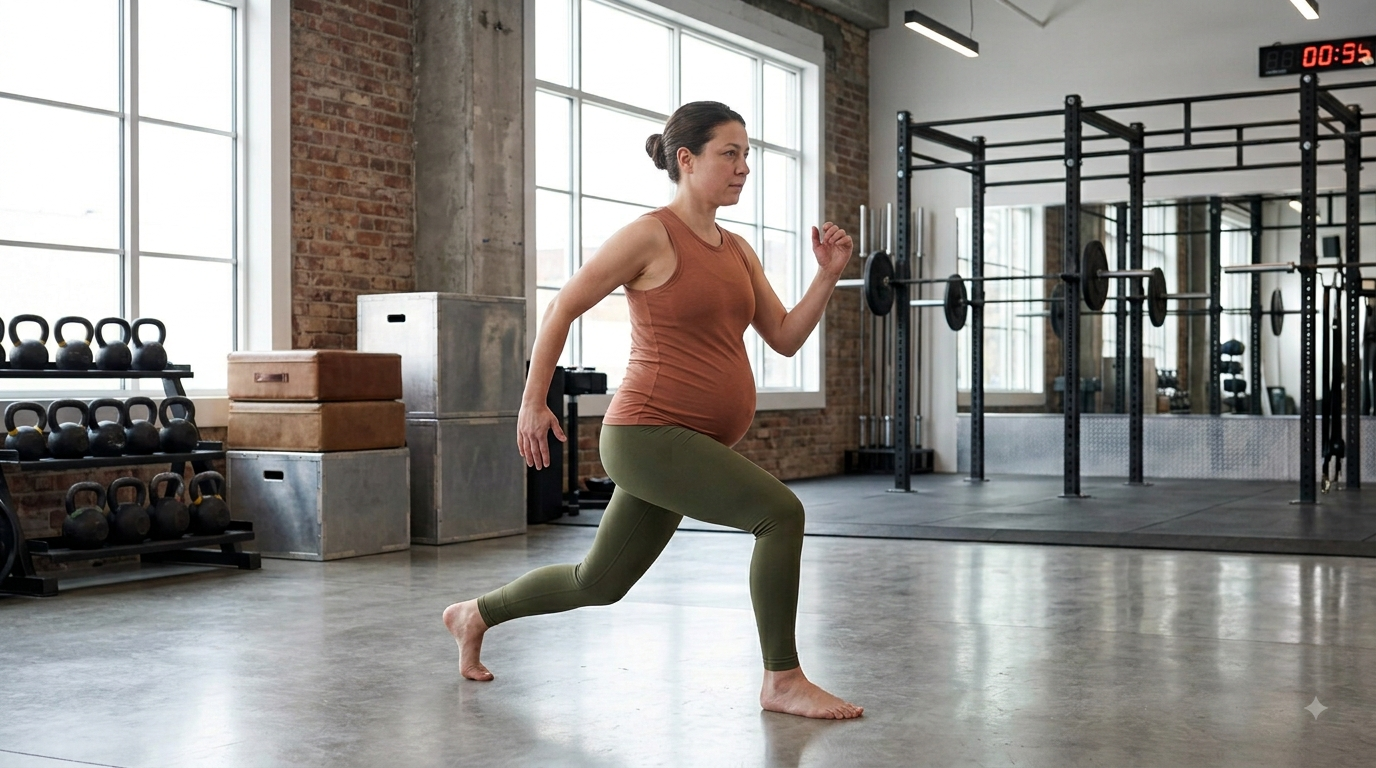
 Prenatal & Postpartum Yoga
Exercise During Pregnancy: Moving With Confidence, At Your Own Pace
Many pregnant women wonder whether they can keep exercising, and which kind of exercise to choose. The answer depends on each pregnancy, each body, and each set of sensations: there's no single right way to move while pregnant.
This article looks at what most commonly comes up in recommendations around physical activity during pregnancy, the types of practice that come up most often, and offers two strength-training sessions designed specifically for this time.
I. What general recommendations tend to say
In most pregnancies without complications, staying active remains possible, an idea that shows up regularly in public health recommendations. The most commonly cited guidelines mention regular physical activity, in the range of 150 to 180 minutes a week, spread out according to your energy and schedule.
These guidelines generally combine three types of work: endurance, muscle strengthening, and stretching. The intensity aimed for is often described as "moderate." A simple, frequently used gauge is the conversation test: staying able to exchange a few words while exercising.
These numbers remain general benchmarks, not a universal prescription. Every pregnancy is different, and a midwife's or doctor's advice remains the most reliable guide for adapting your practice to your situation, especially in the case of a high-risk pregnancy or complication.
II. The activities that come up most often
Among the practices mentioned most frequently: walking, swimming, stationary cycling, prenatal yoga, and certain gentle strength exercises. These aren't obligations, but options among which everyone can choose what suits them, based on their habits, level, and how they feel.
Some activities call for adjustments as the trimesters go by, especially those that place heavy demands on balance or the abdominals. Here too, it's less about following a strict rule than about noticing how the body responds, session after session.
III. Two strength-training sessions designed for pregnancy
On Gomasana, two strength-training sessions were designed specifically for this time, with controlled movements and an adapted range of motion.
Leg Strengthening Workout for Pregnancy
This nineteen-minute session targets the thighs and glutes through three blocks of exercises: side lunges, half-squats with small bounces, crossed side lunges, and held low lunges, before each block finishes with the clamshell exercise for the glute medius and 90/90 hip rocks. Between blocks, a seated breathing pause helps bring the pace back down before moving on.
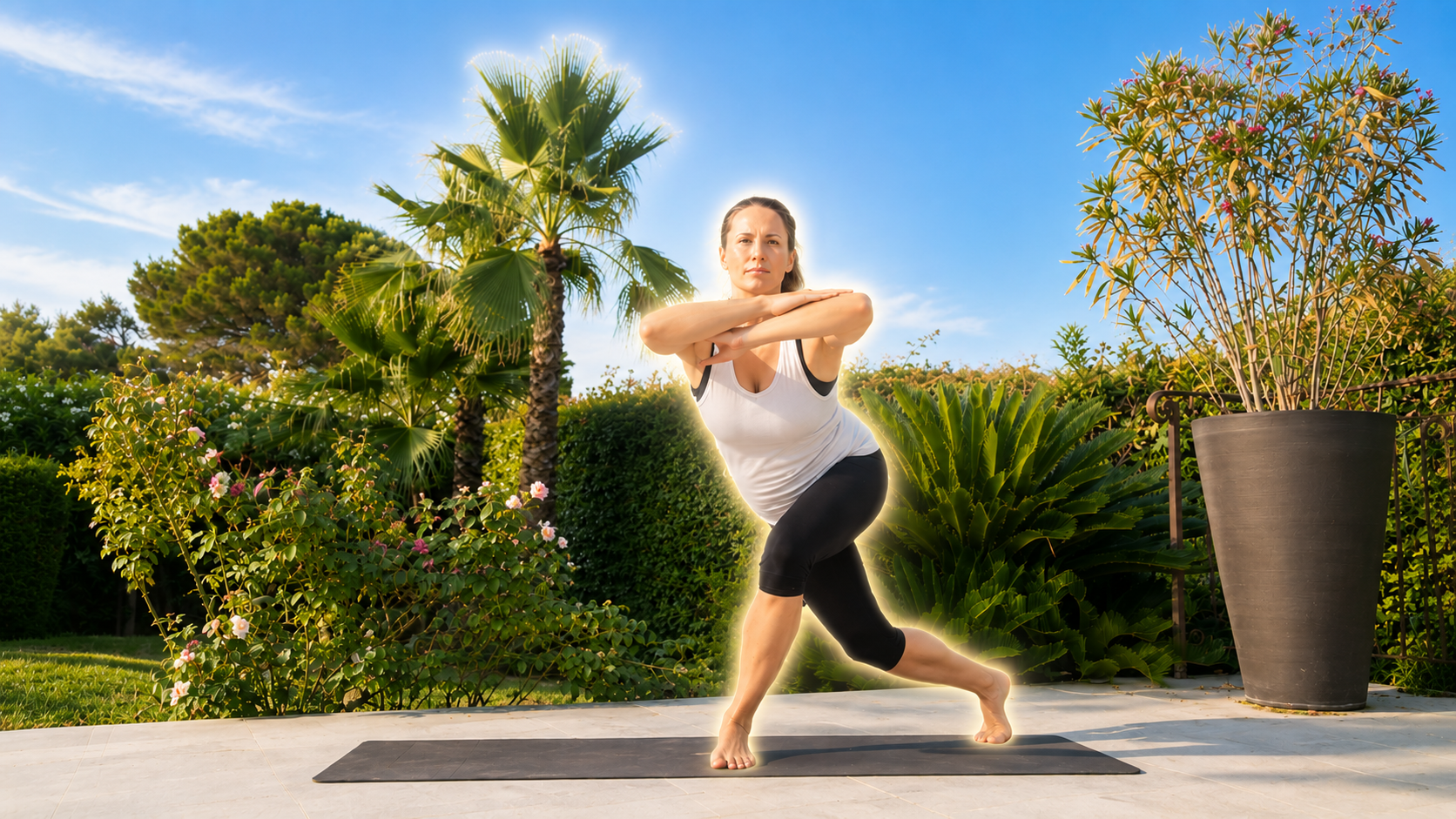
Leg Strengthening Workout for Pregnancy
Prenatal Glute and Core Strengthening Workout
This twenty-six-minute session works the glutes and the deep core through four blocks of targeted strengthening: leg raises, side knee lifts, and side plank with leg extension, done on each side. Between blocks, a breathing pause in Butterfly Pose (Baddha Konasana) and hip rocks offer a moment to catch your breath.
These two sessions can be practiced independently, at different points in the week, depending on your energy that day.
IV. Precautions and listening to your body
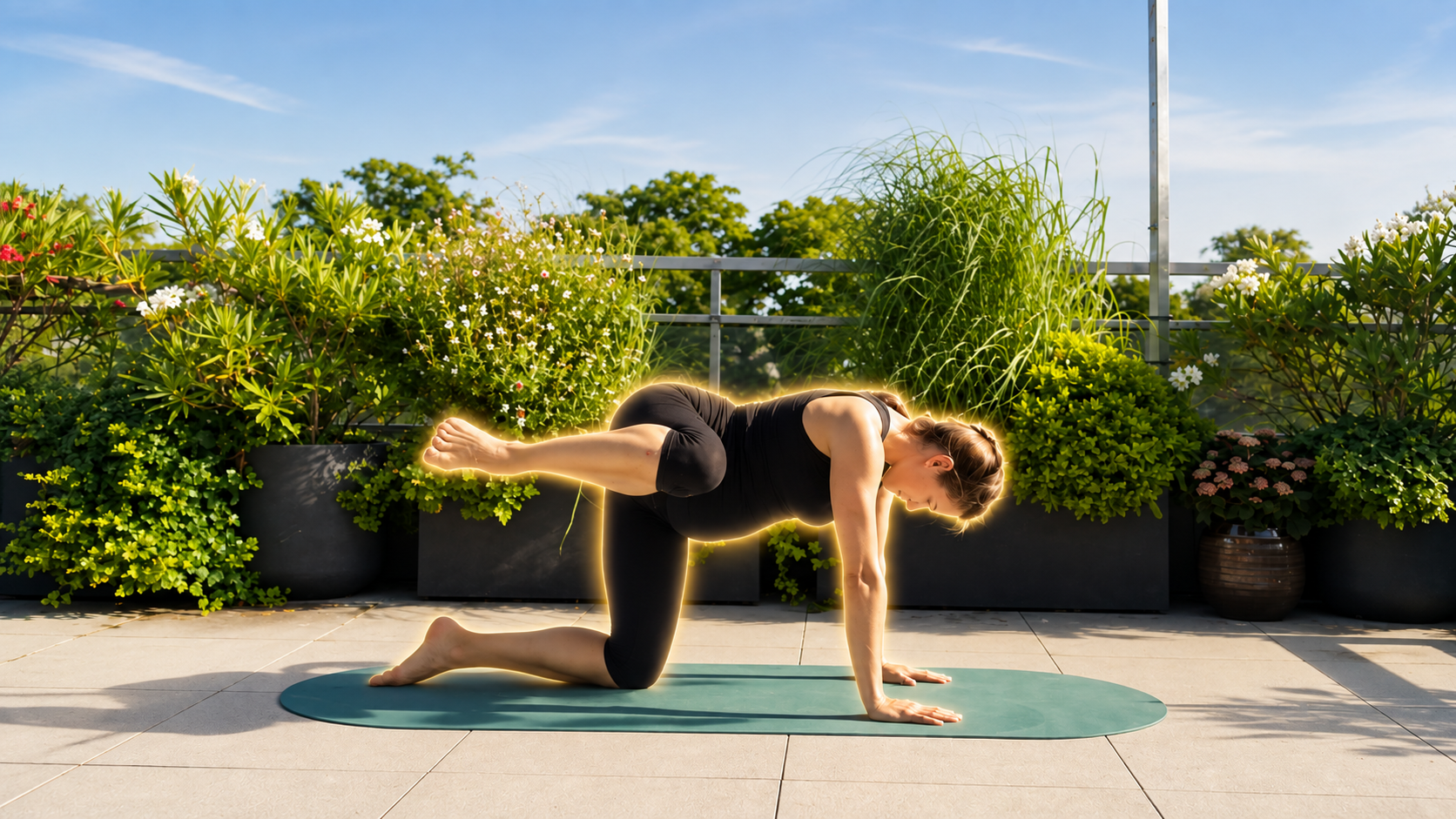
Prenatal Glute and Core Strengthening Workout
Certain signals call for stopping and seeking prompt medical advice: unusual pain, bleeding, significant shortness of breath, dizziness, or reduced fetal movement. Outside of these situations, it's mostly about adjusting intensity and range of motion to what your body can take on any given day.
Some pregnancies have particular considerations that call for medical advice before resuming or starting a physical activity. When in doubt, a healthcare professional's advice remains the most reliable guide.
V. Conclusion
Exercise during pregnancy is neither an obligation nor something to give up: it's a space to adjust, week by week, to what the body is going through. Walking, swimming, practicing prenatal yoga, or building strength gently: several paths exist, and the right choice is often the one made by listening to yourself.